Our Products
Explore our comprehensive range of premium edible oils, plant-based waxes, and industrial petrochemical waxes.
Showing 27 products
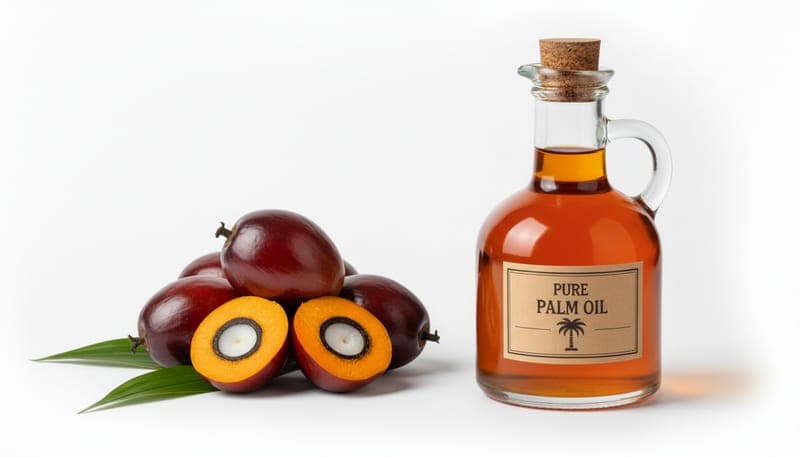
Palm Oil
Palm Oil, derived from the fruit of the oil palm (Elaeis guineensis), is one of the world's most widely used edible oils. Rich in tocotrienols, carotenoids, and balanced fats, it is essential in cooking, packaged foods, cosmetics, soaps, pharmaceuticals, and biofuels.
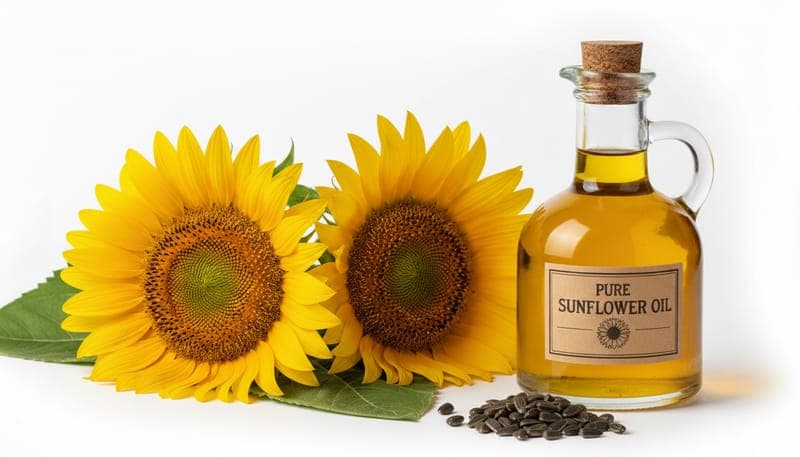
Sunflower Oil
Sunflower Oil, derived from sunflower seeds (Helianthus annuus), is a pure, versatile vegetable oil rich in heart-friendly linoleic and oleic acids plus antioxidant vitamin E. Trusted worldwide for frying, baking, cosmetics, pharmaceuticals, and biodiesel applications.
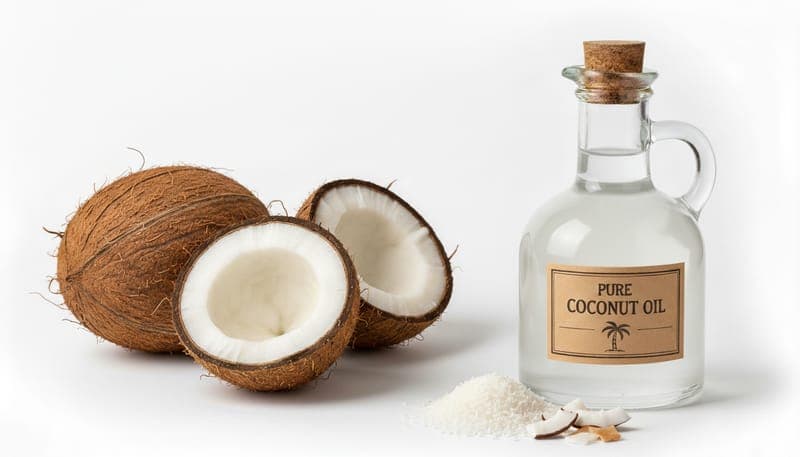
Coconut Oil
Coconut Oil, derived from mature coconut kernels (Cocos nucifera), is a natural, versatile oil rich in medium-chain triglycerides (MCTs), lauric acid, and antioxidants. Widely used for cooking, cosmetics, hair care, pharmaceuticals, and industrial applications like soap making.
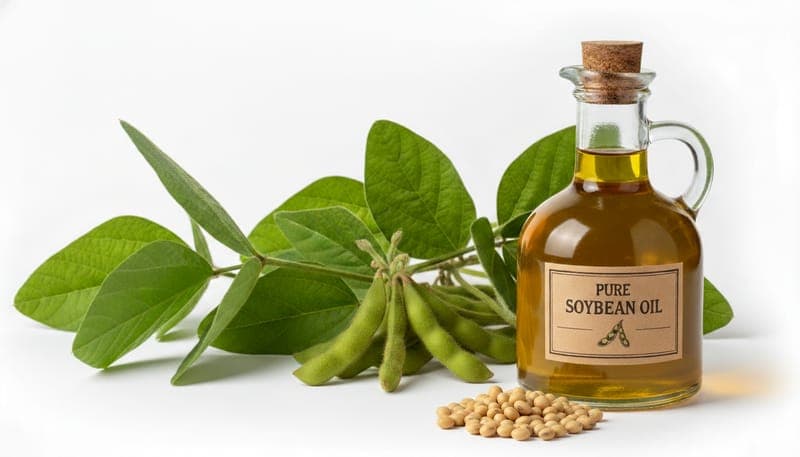
Soya Bean Oil
Soybean Oil, derived from soybean seeds (Glycine max), is one of the most widely consumed vegetable oils worldwide. Rich in polyunsaturated fatty acids, omega-3s, and vitamin E, it is a staple in cooking, processed foods, margarine, biodiesel, inks, and lubricants.
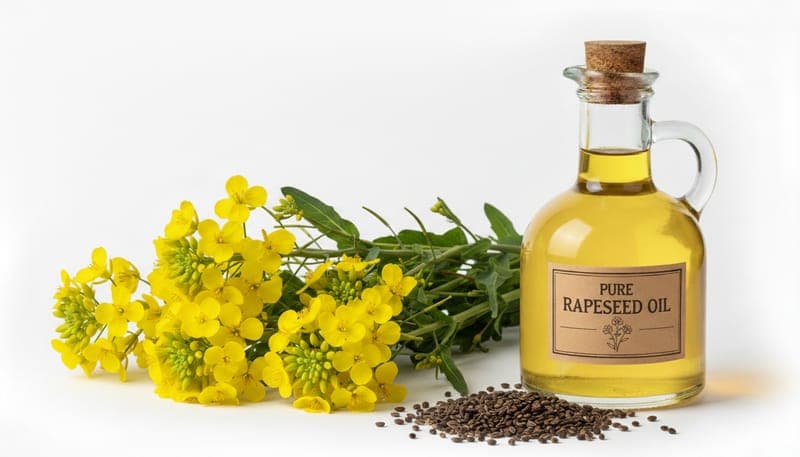
Rapeseed Oil
Rapeseed Oil, derived from rapeseed seeds (Scientific name: Brassica napus), is a light, neutral vegetable oil extracted by pressing and refining. Modern “canola” varieties were developed to reduce erucic acid and glucosinolates, making it safe and nutritious.
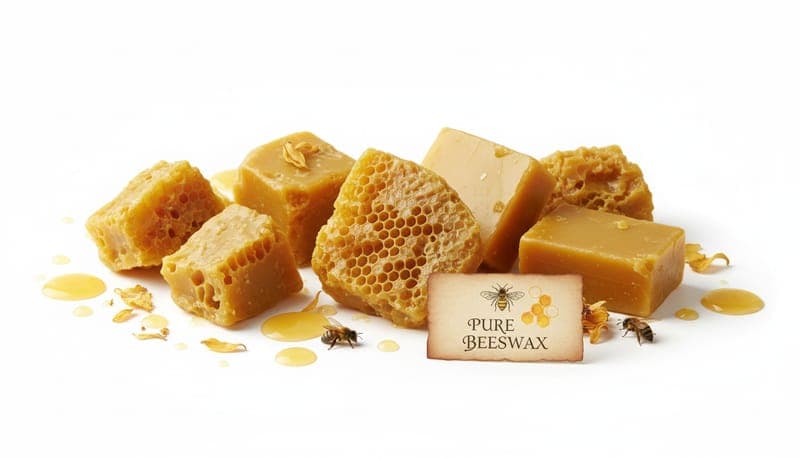
Beeswax
Beeswax, produced naturally by honeybees (Apis mellifera), is secreted to build honeycombs. Composed of esters, fatty acids, and hydrocarbons, it is durable, pliable, and water-resistant.
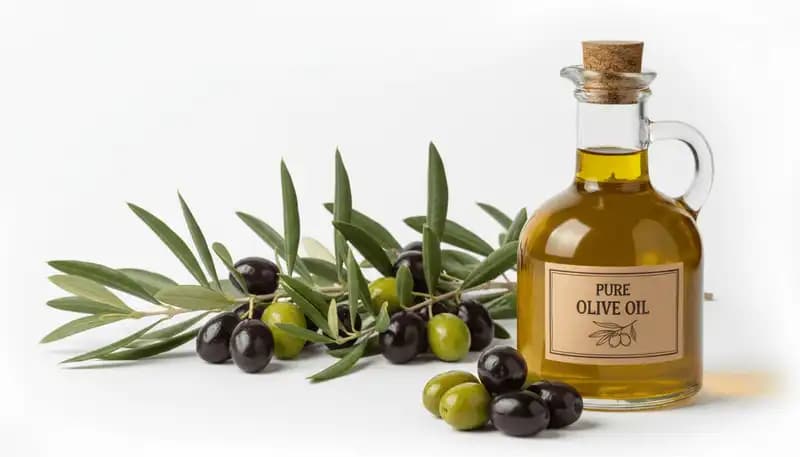
Olive Oil
Olive Oil, derived from olives (Scientific name: Olea europaea), is extracted by cold-pressing or refining, with “extra virgin” grades retaining maximum flavor and antioxidants.
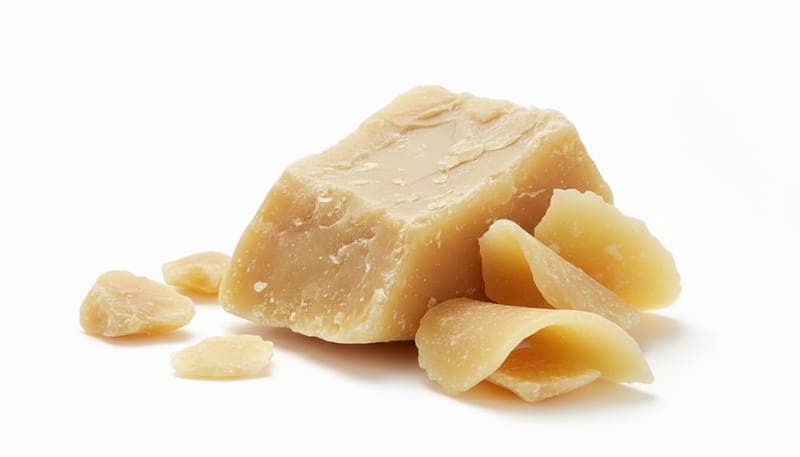
Carnauba Wax
Carnauba Wax, derived from the leaves of the Brazilian palm (Copernicia prunifera), is harvested, dried, and refined into a hard, glossy wax. Known as the “queen of waxes,” it is rich in esters and fatty alcohols, giving superior shine and durability.
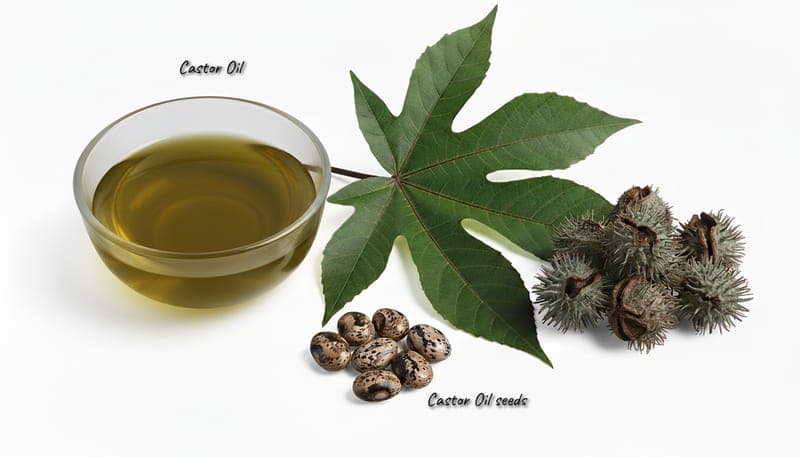
Castor Oil
Castor Oil, derived from castor seeds (Scientific name: Ricinus communis), is extracted by pressing and refining. It is unique for its high ricinoleic acid content, giving it anti-inflammatory, moisturizing, and laxative properties.
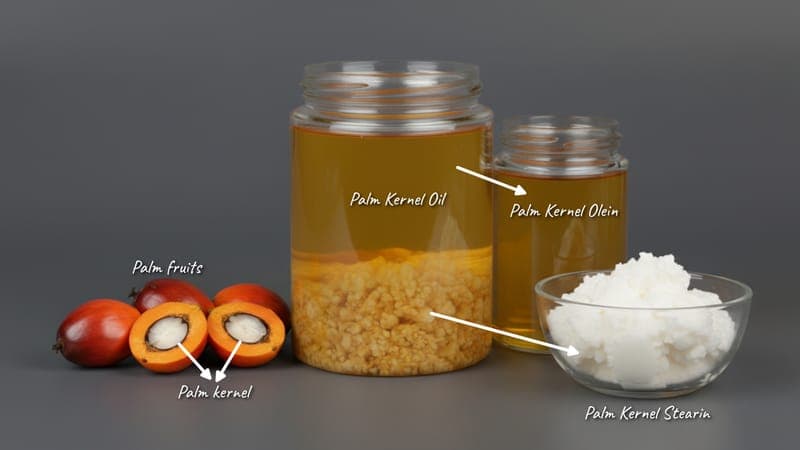
Palm Kernel Stearin
Palm Kernel Stearin, the solid fraction of palm kernel oil (Elaeis guineensis), is obtained through fractionation. With high saturation and lauric acid content, it is used in confectionery fats, bakery shortenings, and industrial soaps.
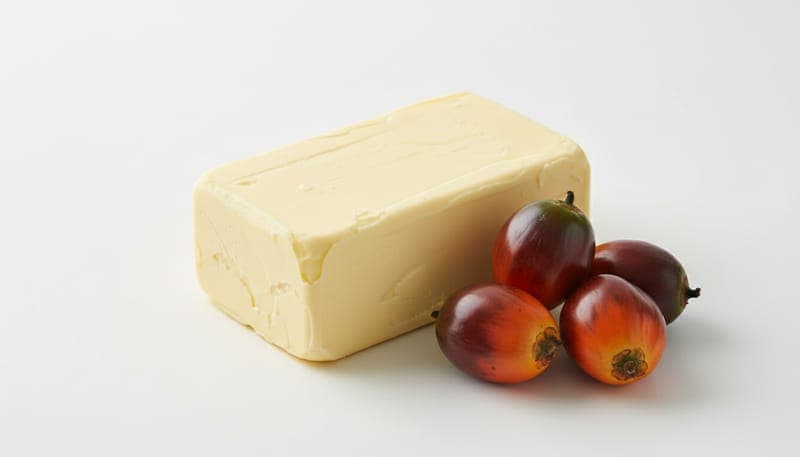
Palm Wax
Premium 100% palm wax with creamy yellow color, ideal for candle making. RSPO SG (Segregated) / MB (Mass balance) certified.
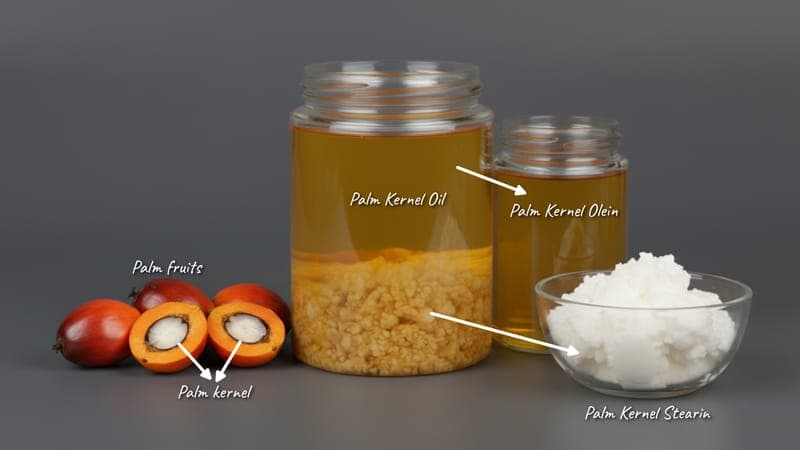
Palm Kernel Olein
Palm Kernel Olein, derived from fractionating palm kernel oil (Elaeis guineensis), is a clear, stable oil with high lauric acid content. It is prized in confectionery, ice cream coatings, and specialty fats due to its sharp melting curve.
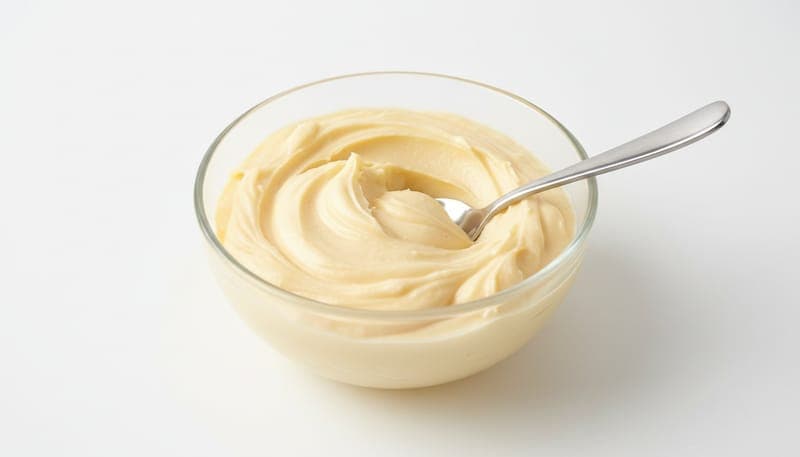
Palm Shortenings(Low melting point)
Palm Shortenings (Low Melting Point), produced from palm oil fractionation, are softer fats ideal for cakes, cookies, and spreads. With balanced saturation, they provide smooth texture, easy mixing, and butter-like consistency.
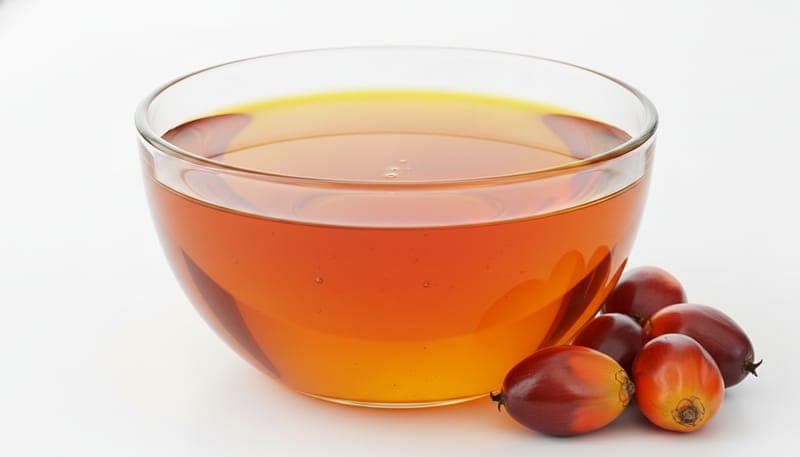
Palm Olein
Palm Olein, the liquid fraction of palm oil (Elaeis guineensis), is obtained through fractionation. It is rich in tocotrienols, carotenoids, and balanced fatty acids, making it stable for deep frying and everyday cooking.
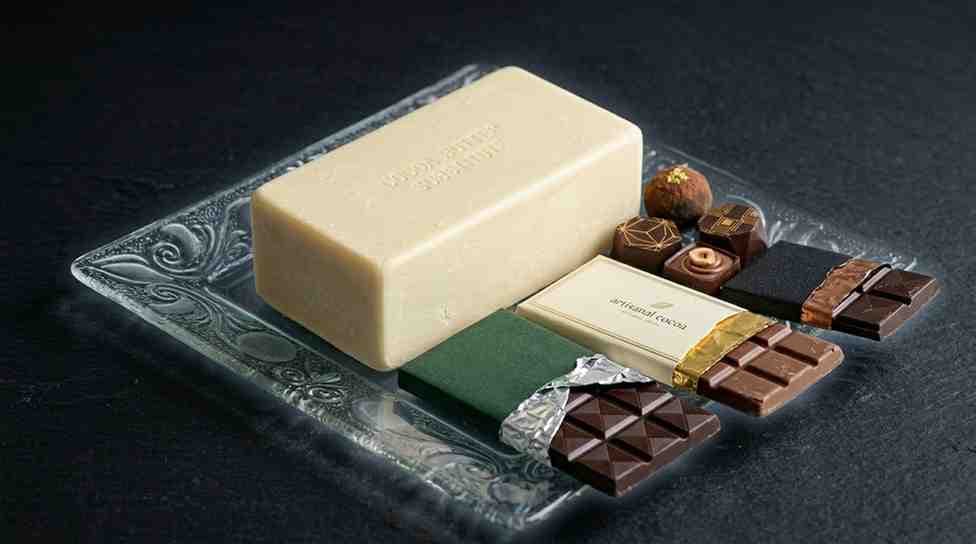
Cocoa Butter Substitute (CBS)
CBS is a hydrogenated, fractionated palm kernel fat, additive-free, allergen-free, with a clean melt and quick crystallisation. Ideal for chocolate molding and coating.
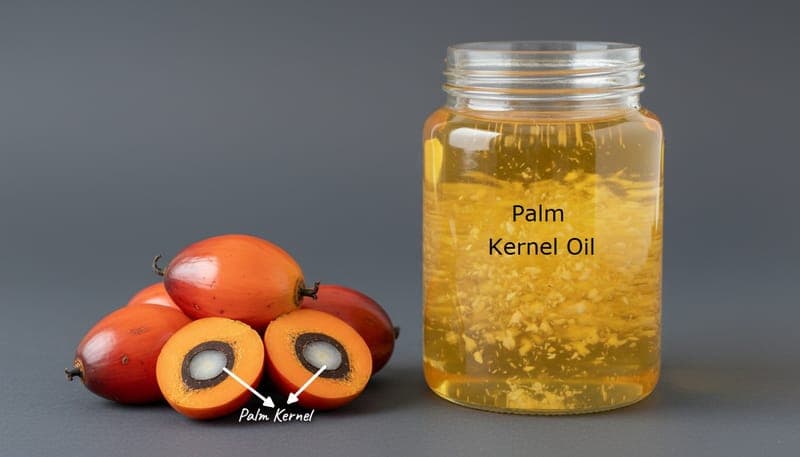
Palm Kernel Oil
Palm Kernel Oil, derived from the seed of the oil palm fruit (Elaeis guineensis), is extracted by pressing and refining the kernel. It is highly saturated, rich in lauric acid and medium-chain triglycerides, giving it firmness and stability.
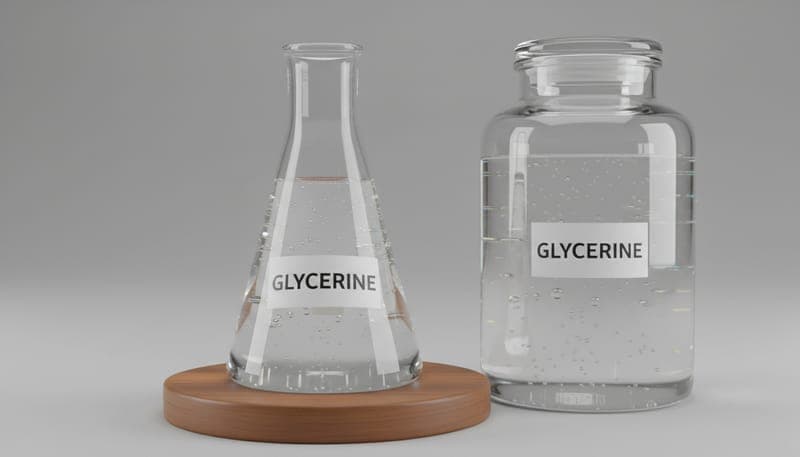
Glycerine
Glycerine (glycerol, C₃H₈O₃) is a colorless, odorless, viscous liquid with a sweet taste, naturally derived as a by-product of soap manufacturing, biodiesel production, and fat splitting.
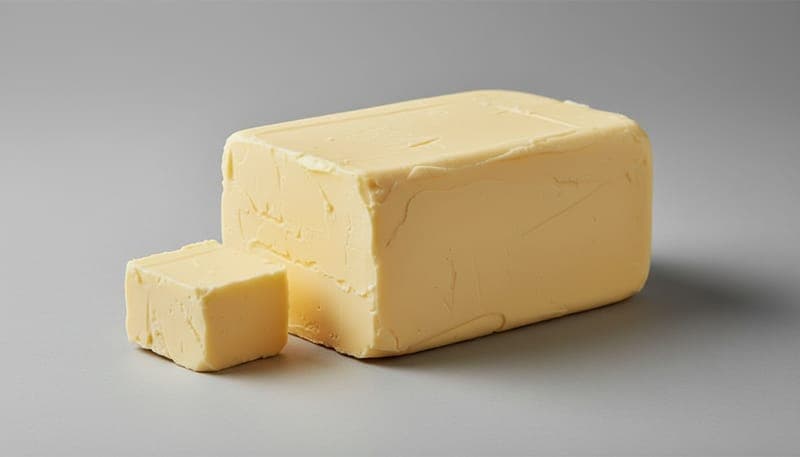
Palm Stearin
Palm Stearin, the solid fraction of palm oil (Elaeis guineensis), is produced by fractionation. Rich in saturated fats, it is widely used in bakery shortenings, margarine, and industrial applications like candles and soaps.
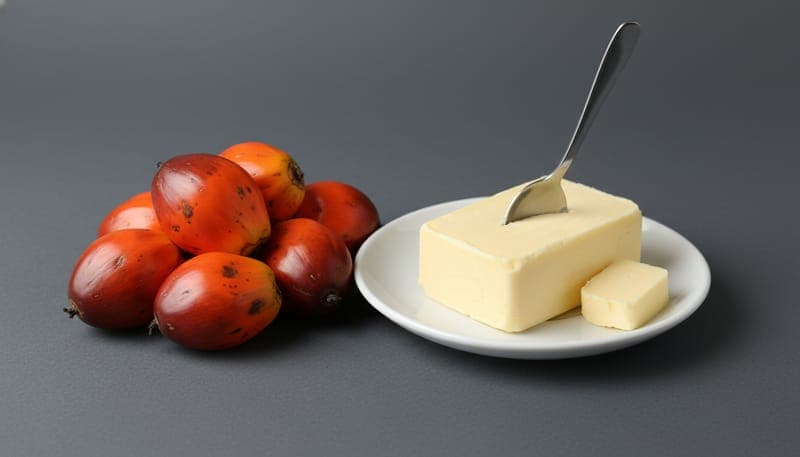
Palm Shortenings(high melting point)
Palm Shortenings (High Melting Point), derived from fractionated palm oil, are specialty fats designed for bakery and frying applications requiring stability. With a firm texture and high saturation, they are used in puff pastries, biscuits, and industrial frying.
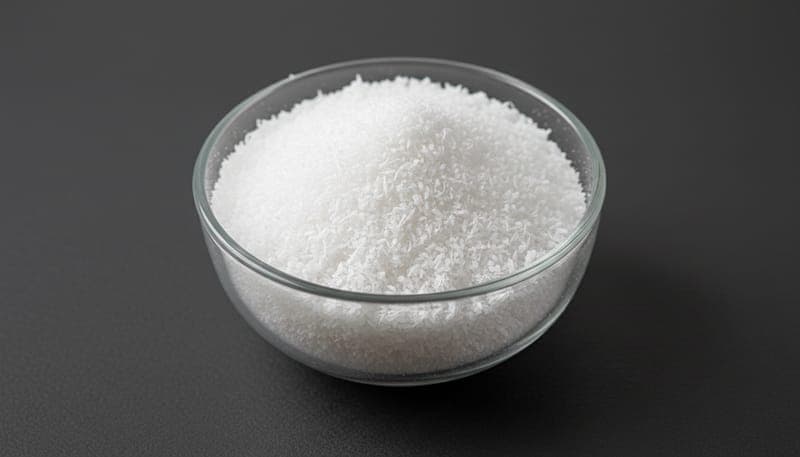
Palm Stearic Acid
Palm Stearic Acid is a saturated fatty acid (C₁₈H₃₆O₂) derived from palm oil through hydrolysis and fractionation. It appears as a white, waxy solid with a mild odor and is one of the most common fatty acids used in industrial and consumer products.
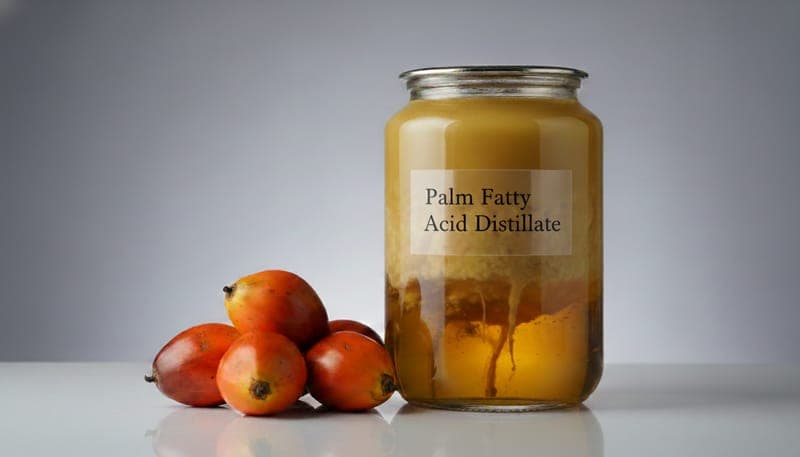
PFAD (Palm Fatty Acid Distillate)
Palm Fatty Acid Distillate (PFAD) is a by-product of palm oil refining (Elaeis guineensis), obtained during deodorization. It contains free fatty acids, tocopherols, sterols, and residual oil, making it valuable in animal feed, soap manufacturing, and biodiesel production.
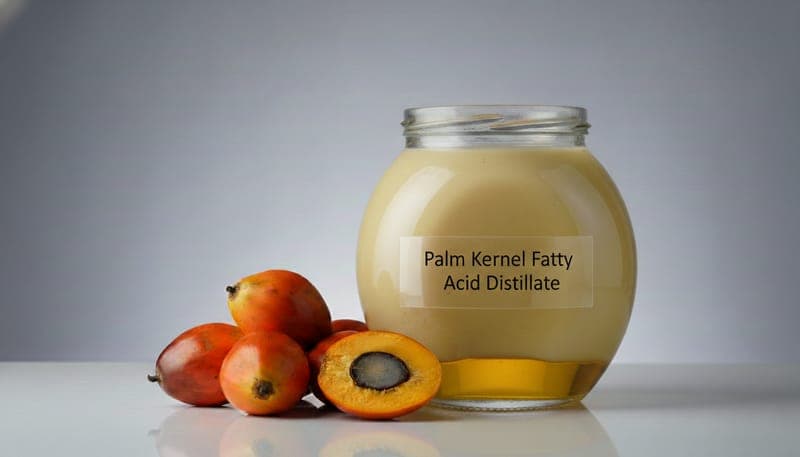
Palm Kernel Fatty Acid Distillate (PKFAD)
Palm Kernel Fatty Acid Distillate (PKFAD) is a by-product of palm kernel oil refining (Elaeis guineensis), obtained during the deodorization stage. It is rich in lauric and myristic acids, along with minor amounts of oleic and palmitic acids, tocopherols, and sterols.
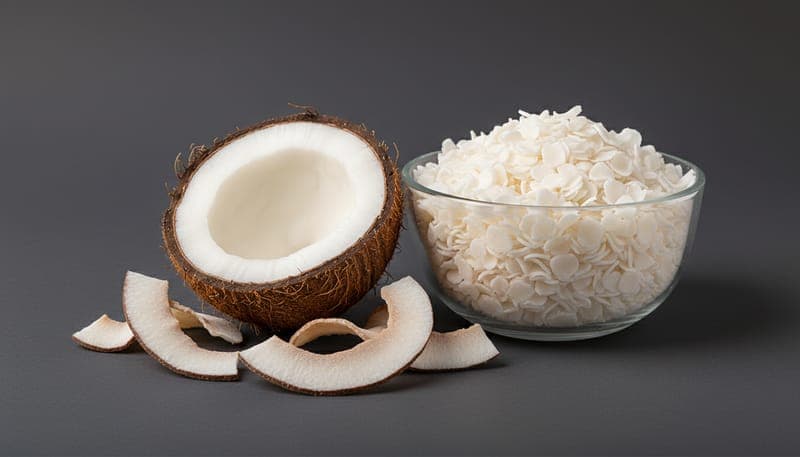
Coconut Wax
Coconut Wax, derived from coconut oil (Scientific name: Cocos nucifera), is created by hydrogenating the oil from mature coconut kernels into a creamy, solid wax. This process stabilizes the oil, raises its melting point, and produces a slow-burning, eco-friendly wax.
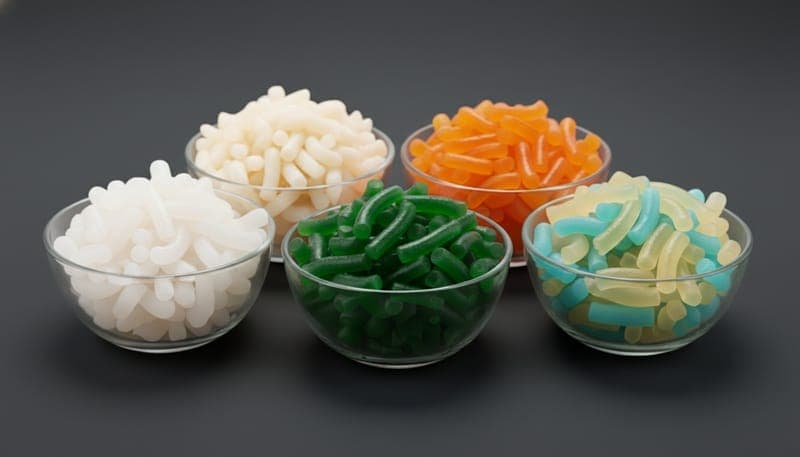
Soap Noodles
Soap Noodles are semi-finished soap products made by saponifying vegetable oils or animal fats with sodium hydroxide (lye). They come in small, pellet-like shapes and serve as the base material for manufacturing bar soaps.
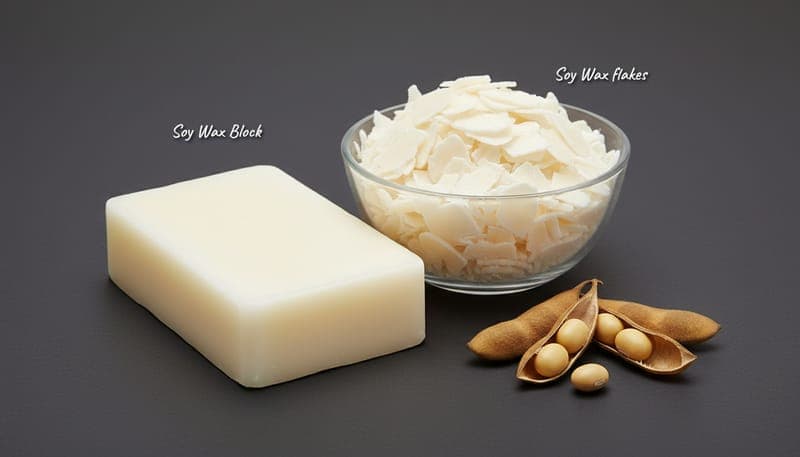
Soy Wax
Soy Wax, derived from soybean oil (Scientific name: Glycine max), is produced by hydrogenating soybean oil into a solid, creamy wax. This process stabilizes the oil, raises its melting point, and creates a renewable, biodegradable alternative to paraffin.
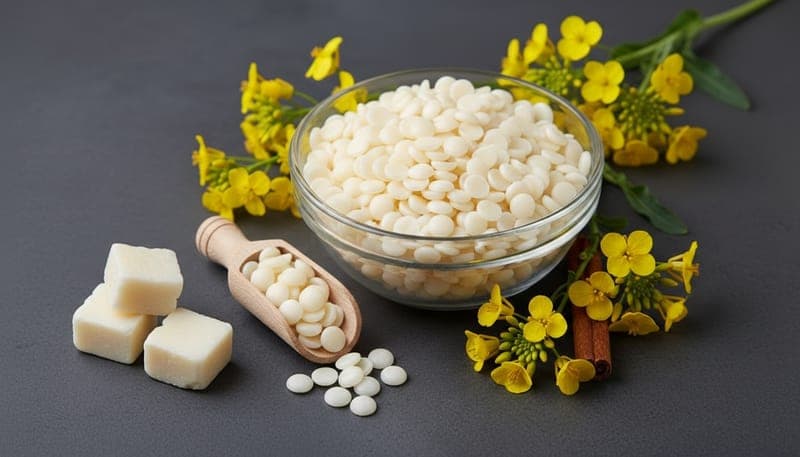
Rapeseed Wax
Rapeseed Wax, derived from rapeseed oil (Scientific name: Brassica napus), is created through hydrogenation and fractionation of the oil. It is sustainable, biodegradable, and has a creamy texture with a relatively high melting point.
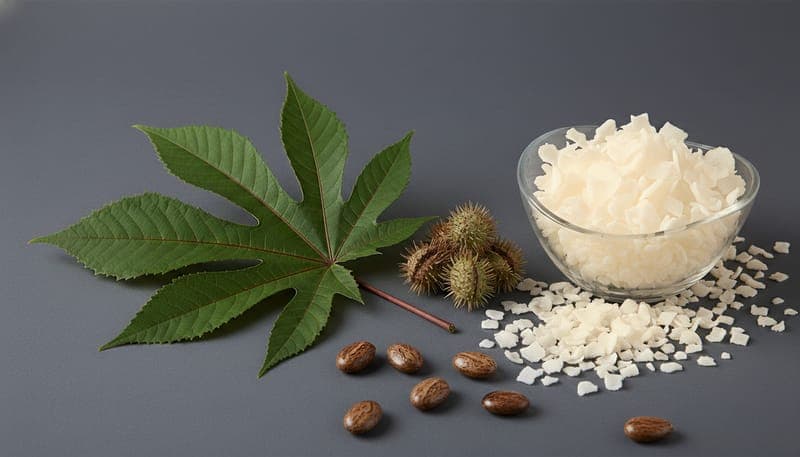
Hydrogenated Castor Oil (Castor Wax)
Hydrogenated Castor Oil, also known as Castor Wax, is derived from castor seeds (Scientific name: Ricinus communis) by hydrogenating castor oil into a hard, brittle wax. Rich in hydroxyl fatty acids, it is insoluble in water but highly stable, with a melting point around 80–85°C.